Lawson Falsecypress
Chamaecyparis lawsoniana
Care Specifications & Requirements
Bright Indirect
Weekly
Moderate
Non-toxic, safe for pets
Botanical Overview
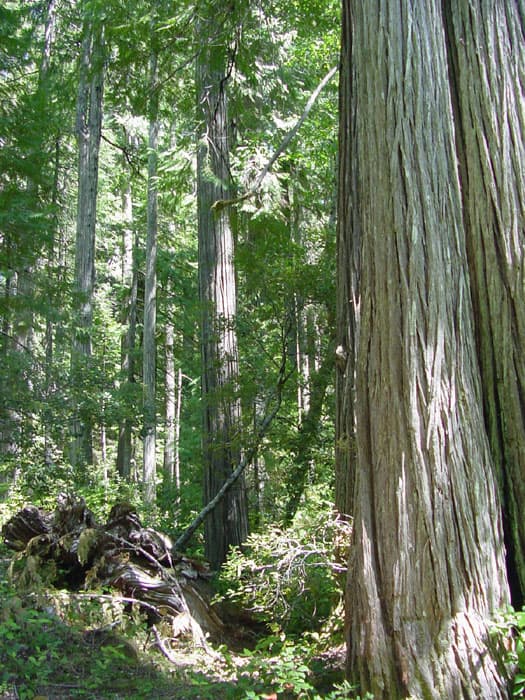
Chamaecyparis lawsoniana, known as Port Orford cedar or Lawson's cypress, is a species of conifer in the genus Chamaecyparis, family Cupressaceae. It is native to Oregon and northwestern California, and grows from sea level up to 1,500 metres (4,900 ft) in the valleys of the Klamath Mountains, often along streams..
Step-by-Step Lawson Falsecypress Care & Diagnostic Protocol
AI Doctor ProtocolCalibrate Light Exposure & Orientation
Place Lawson Falsecypress in an area with bright indirect. If leaf tips turn crispy brown, move away from direct southern sun. If stems become leggy, increase light levels.
Soil Moisture & Drainage Check
Always test soil moisture 2 inches beneath the surface before watering (weekly). Ensure pots have adequate drainage holes to prevent moisture stagnation and root rot.
Pest & Disease Inspection
Examine leaf undersides for webbing (spider mites) or powdery white residue (mildew). If yellowing leaves or dark necrotic spots appear, isolate the plant immediately to avoid fungal spread.
Instant AI Photo Diagnosis
Unsure what is wrong? Take a photo with Plant Warden to receive an immediate AI-powered health diagnosis and custom recovery timeline.
Diagnose Sick Plants in Seconds
Download Plant Warden on iOS & Android for automated watering reminders, light meter calibrations, and AI plant health tracking.